Gutters, soffit and fascia: the part of the roof nobody inspects
The eave is where the roof system quietly fails, and it fails long before anything happens to the shingles.
September 7, 2026 · 4 min read
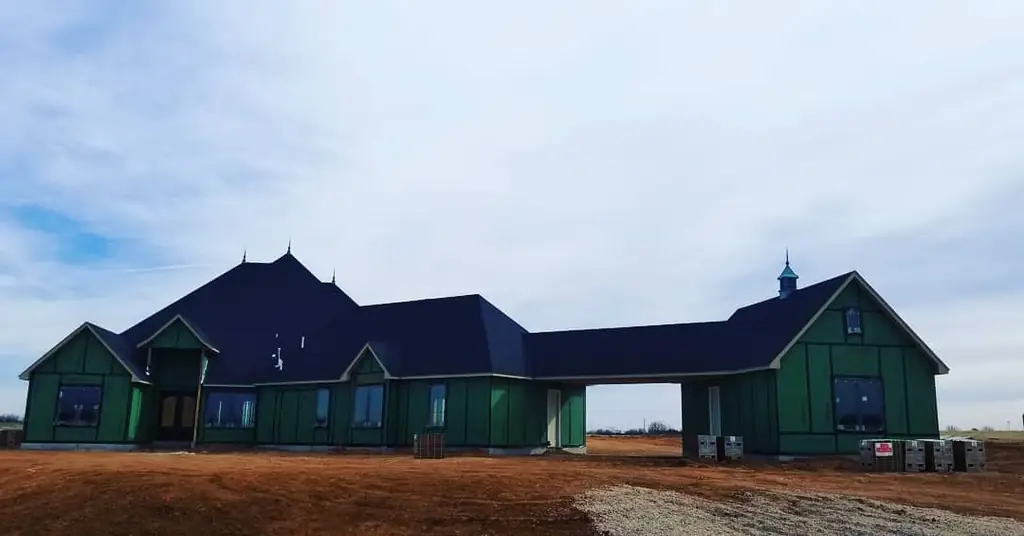
People think about roofs in terms of shingles. Almost nobody thinks about the six inches at the bottom edge where the gutter, the fascia board and the soffit panel meet, and that junction quietly causes more repair work than the shingles above it.
It is worth understanding what those three parts actually do, because they are a system and they fail as one.
What each part is doing
The fascia is the board that caps the ends of your rafters and closes off the roof edge. It is structural trim, and it is what your gutters are screwed into. The soffit is the panel underneath, closing off the gap between the fascia and the wall. The gutter hangs off the fascia and moves water away.
The part most people miss is that the soffit is not just a cosmetic cover. It is the intake half of your roof ventilation. Air is supposed to enter through vents in the soffit, travel up under the roof deck, and exit at the ridge. That flow is what keeps your attic close to outside temperature.
Why the fascia rots first
Fascia is usually painted pine. When a gutter overflows, backs up behind itself, or holds standing water because it has pulled away from level, that water sits directly against the board.
Paint fails from behind rather than from the front, so the board is absorbing and swelling long before the surface looks bad. From the yard it still reads as a straight white line right up until a fastener pulls through and a length of gutter visibly sags. At that point the rafter tails behind it are usually wet too, and a trim repair has become a structural one.
The trigger is nearly always the gutter, which is why gutter work and fascia work are the same conversation.
Why seamless gutter is genuinely different
Sectional gutter, the kind sold in ten foot lengths, is joined every ten feet with a lapped seam and sealant. Every one of those seams is a future drip. They open with thermal movement, they stain the wall below, and they wet the fascia behind.
Seamless gutter is formed on a roll-former at your house, so each run comes off the machine as one continuous piece cut to the exact length of that eave. The only joints in the entire system are at corners and outlets. That is the whole argument for it, and it is a good one.
How it is hung matters too. Hidden hangers screwed into the fascia hold far better than the older spike and ferrule method, which works loose a little more with every freeze and thaw cycle. Runs should be pitched deliberately toward the outlets so nothing stands, because standing water is weight, mosquitoes, and in January a block of ice hanging off your trim.
Sizing for the way it actually rains here
Oklahoma rain does not arrive gently. A spring thunderstorm can drop a serious volume of water in well under an hour, and a gutter system sized for a typical year will simply overshoot during exactly the storms that cause damage.
Two things address that. Capacity, which on long runs and steep pitches usually means six inch gutter rather than five, because the cross-sectional area is meaningfully larger. And outlets, because a gutter can only empty as fast as its downspouts allow. More outlets and larger downspouts beat a single corner trying to drain half a roof.
The last piece is where the water goes once it is down. A downspout discharging against the foundation has moved the problem from your fascia to your slab. Extensions that carry it away from the building are not an upsell, they are the point of the exercise.
The ventilation consequence
When soffit vents get blocked, painted over or damaged, the intake side of your roof ventilation stops working. The ridge vent can still exhaust, but with nothing feeding it the attic superheats through an Oklahoma summer.
That does two things. It ages the shingles from underneath, cooking them at temperatures they were never meant to sit at for months. And it turns your attic into a heat reservoir that your air conditioning has to fight through the ceiling all afternoon. Damaged soffit is worth fixing for reasons that have nothing to do with how it looks.
What to look for
- Gutters that sag, pull away from the fascia, or hold water hours after the rain has stopped.
- Staining or peeling paint on the fascia, especially directly under a seam or a corner.
- Soffit panels that are stained, sagging, or have visible gaps where animals can get in.
- Water marks or splash lines on the siding underneath a gutter run.
- Downspouts that empty straight onto the ground against the foundation.
Boulevard Roofing Co handles seamless gutters along with soffit, fascia and trim repair, and you can count on our experts for exceptional gutter, soffit and fascia services as well as the roof above them. Free estimates across Oklahoma City and the surrounding areas. Call 405-850-8036.
Boulevard Roofing Co, 405-850-8036
Call 405-850-8036More articles
How to tell if your roof took hail damage when it looks fine from the ground
Most hail-damaged roofs in Oklahoma City look completely normal from the street. That is exactly the problem.
What your Oklahoma homeowner's policy actually covers on a roof
The deductible you remember is often not the one that applies to a roof claim. Here is what to look for before you file.